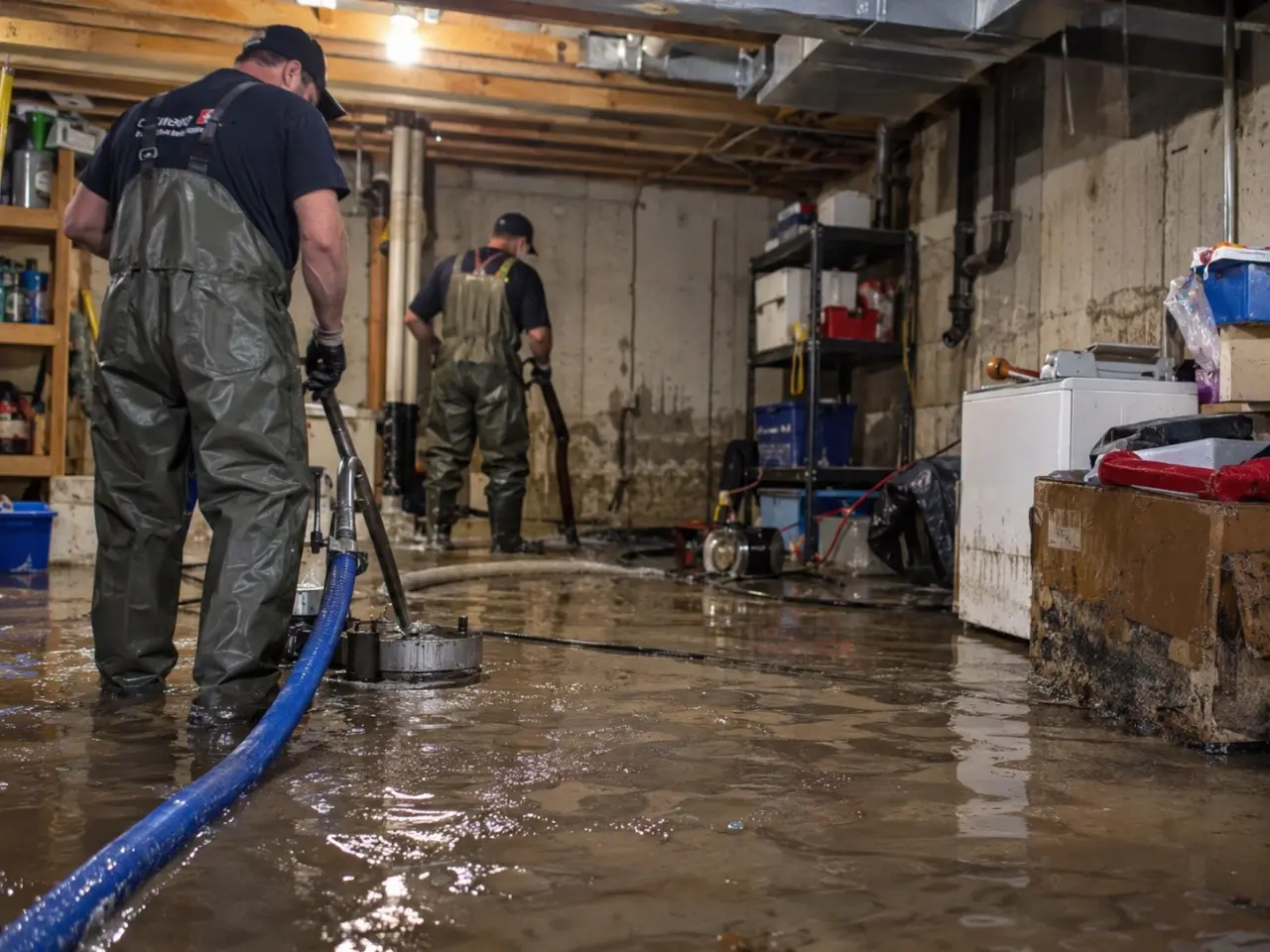
Standing water pumped out, extracted, and dried before mold sets in
Basement Water Removal Tampa FL, Done Right The First Time
Basement Water Removal Tampa FL means getting standing water out of your lower level fast, then drying the structure so mold never gets a foothold. We run truck-mounted extraction, submersible pumps, and refrigerant dehumidifiers across Hillsborough County, seven days a week. Whether a supply line let go in Hyde Park or stormwater pushed into a Westshore crawl space, we answer the phone and roll.
Live dispatcherUpfront optionsBacked workmanship
What's included
What Our Basement Water Removal Service Includes
Every basement water removal job includes the full extraction and drying sequence, not just a pump-and-go. Here is what is covered on a standard call, and where additional work may come into play if the damage is deeper than it first looks.
Standing Water Pumping
A submersible pump knocks down deep standing water before extraction equipment goes in. This protects the extraction unit and gets the bulk of the water out fast, usually within the first hour on site.
Carpet And Padding Extraction
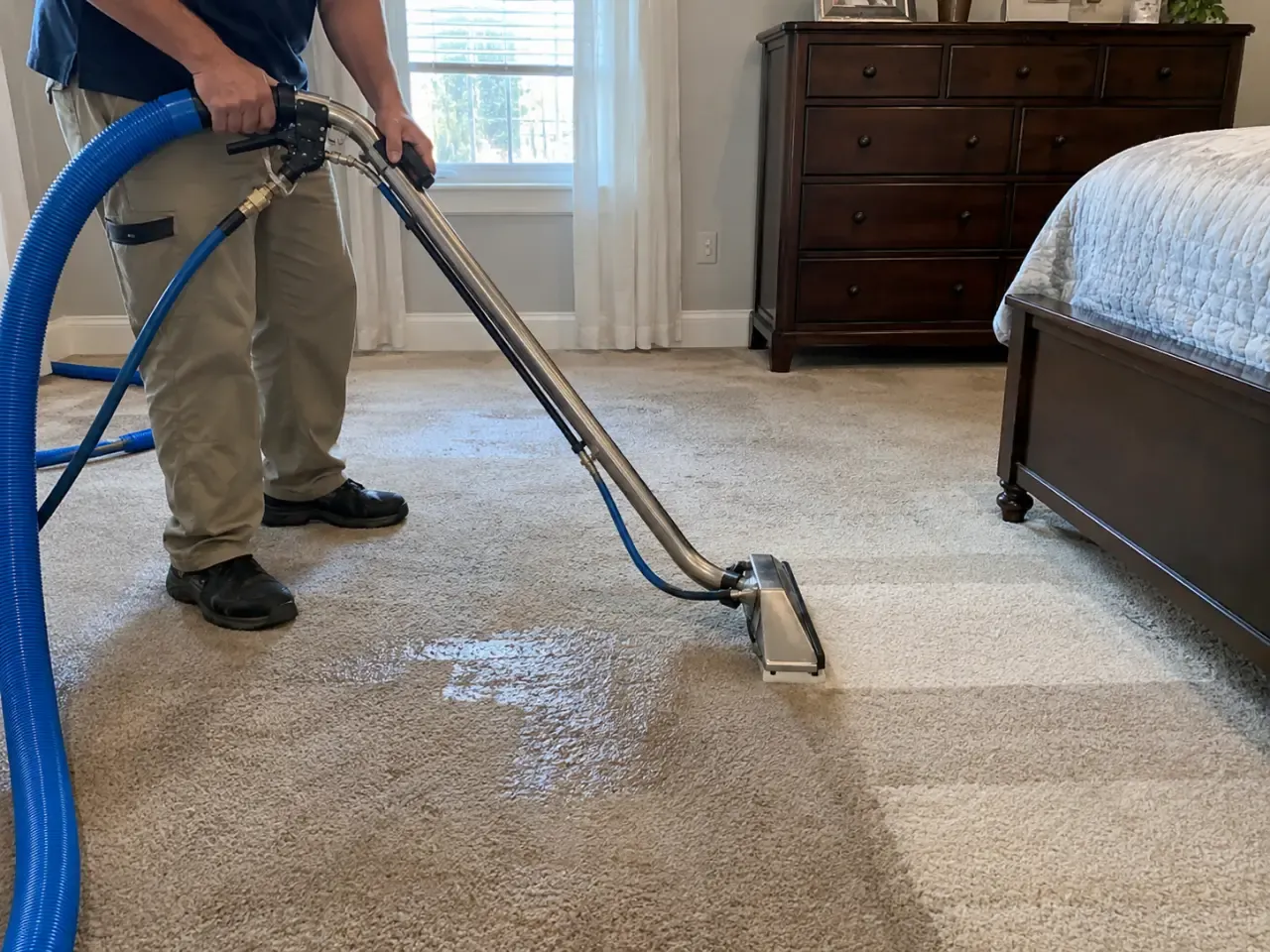
A truck-mounted water extraction unit pulls water from carpet and pad. Saturated padding almost always comes out, because it holds water against the subfloor and will not dry in place.
Moisture Mapping
We check walls, baseboards, framing, and subfloor materials with a Protimeter moisture meter and a thermal imaging camera, then give you a written map of what is wet and what is not.
Structural Drying Setup
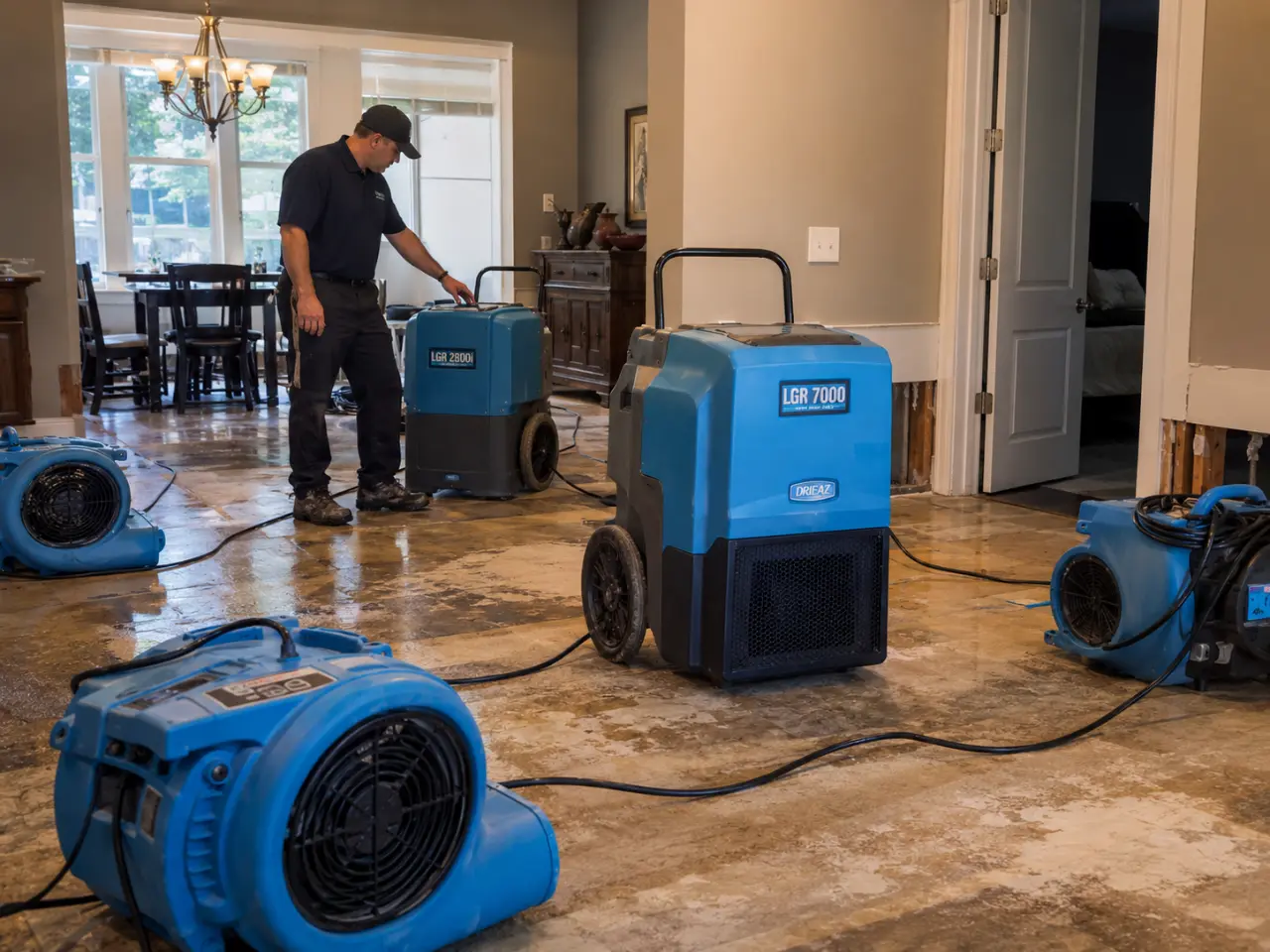
Air movers and a refrigerant or desiccant dehumidifier run until the structure hits the dry standard. Dehumidifier drain tubing routes to a drain so no one has to babysit a bucket.
Antimicrobial Application
On any job with contamination risk, we apply antimicrobial disinfectant to affected framing and block. Products meet EPA mold and antimicrobial product label requirements.
Insurance Documentation
Photos, moisture logs, and a final dry-down report go into a file you can hand straight to your adjuster. It is the paperwork that gets claims approved instead of questioned.
Service overview
What Basement Water Removal Tampa FL Actually Involves
Basement Water Removal Tampa FL is the process of pumping, extracting, and drying water from a below-grade space until the structure and air reach safe moisture levels. It is not one machine and a shop vac. We start with a submersible pump for deep standing water, follow with a truck-mounted water extraction unit on carpet and padding, then meter the walls, subfloor, and framing with a Protimeter moisture meter and a thermal imaging camera to find what the eye cannot see. Drying equipment runs until readings match a dry standard.
Tampa basements flood for reasons that have nothing to do with a river. A burst pipe behind the laundry wall, a roof leak that finally soaked through the ceiling, an appliance supply line that let go overnight, or a sewage backup after a heavy summer storm. Because our water table sits high and our rainy season runs June through September, water that would drain away elsewhere sits in your basement. That is why we treat every call as a clock, not a job ticket.
How we workWe verify the cause, compare realistic options, and confirm the repair before we leave.
The service timeline
How Our Basement Water Removal Process Works
The process flexes to the condition, but these checkpoints keep decisions clear.
Call And Triage
You call (813) 588-6476 and describe what you see. We ask about the source, the depth, and whether the water smells like sewage. That tells us what equipment to load and whether this is a category 1 supply line leak or a category 3 black water job. Most Tampa calls get a crew dispatched the same day.
Pump And Extract
We start with a submersible pump to knock down deep standing water, then switch to a truck-mounted water extraction unit for carpet, padding, and any water sitting in the subfloor. A portable water extraction vacuum handles tight corners and closets. This stage usually runs two to four hours on a standard basement.
Inspect And Meter
Once the visible water is gone, we map the room with a thermal imaging camera and check walls, baseboards, and framing with a Protimeter moisture meter. This is how we find water that wicked up behind the drywall or pooled under a floating floor. You get a written moisture map before drying starts.
Dry And Dehumidify
We position air movers along the walls and set a refrigerant dehumidifier or desiccant dehumidifier depending on the load. Dehumidifier drain tubing runs to a floor drain or utility sink so nobody has to empty a bucket at 2 a.m. Structural drying typically takes three to five days, and we check readings daily.
Verify And Hand Back
We do not pull equipment on a guess. Drying ends when moisture readings match our dry standard and the space holds that number overnight. You get a final report with before-and-after readings, photos, and the documentation your insurance adjuster needs. Then we walk the basement with you.
Tools & methods
Equipment And Methods We Use
Purpose-built equipment, used by trained technicians, so the job is done accurately the first time.
Truck-mounted water extraction unit
Pulls water out of carpet, padding, and hard surfaces far faster than a portable unit. This is the workhorse on most residential basement jobs.
Submersible pump
Knocks down deep standing water before extraction equipment goes in. Essential when a basement has inches of water across the floor.
Protimeter moisture meter
Reads moisture content in drywall, framing, and subfloor materials so we know what is wet and when it is actually dry.
Thermal imaging camera
Finds hidden moisture behind walls and under floors by reading temperature differences. It catches what the eye and a hand test miss.
Refrigerant and desiccant dehumidifiers
Pulls moisture out of the air so wet materials can release theirs. We choose refrigerant or desiccant based on the load and the space.
HEPA air scrubber and negative air machine
Filters airborne particles and keeps contamination contained on sewage and mold jobs. Standard equipment on any category 3 loss.
Air movers
Keep air moving across wet surfaces so evaporation happens faster. Positioned along walls and into corners where moisture hides.
Use cases
When To Call For Basement Water Removal
These examples show how the service framework adapts rather than forcing every call through one repair.
Storm Intrusion In South Tampa
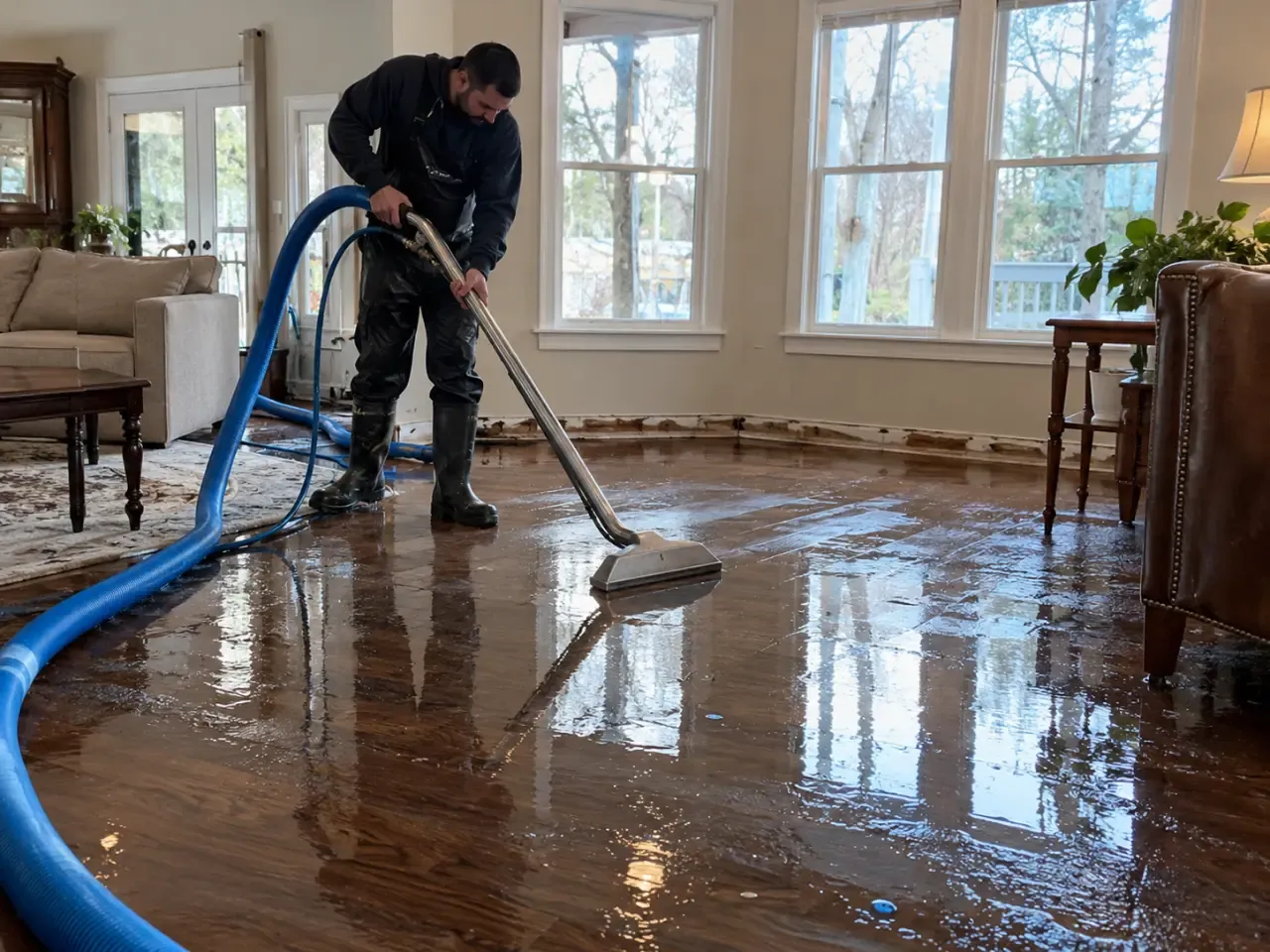
A stalled summer storm pushed groundwater through a basement wall and left an inch of silty water across a finished lower level. The water was contaminated and had already soaked into the baseboards. → We pumped the water, removed contaminated baseboards and a section of drywall, applied antimicrobial disinfectant, and ran HEPA air scrubbers for two days. The space was dry and verified in five days with full documentation for the flood claim.
Sewage Backup In Westshore Commercial Space
A city main backup sent category 3 water into a commercial basement storage area overnight. Cardboard, shelving, and flooring were contaminated, and the smell had spread into the tenant space above. → Crews in PPE removed all contaminated material, disinfected the block and floor, and ran negative air machines to contain the work zone. The space passed a final moisture and air check in six days, and the tenant never had to relocate.
Problems we solve
Basement Water Problems We Solve In Tampa
Most Tampa basement water calls fall into a handful of categories. Knowing which one you have tells us what equipment to load and how fast we need to move.
Burst pipe or failed appliance supply line
We shut down the source, pump and extract the standing water, then remove wet padding and check the drywall with a moisture meter. Drying equipment goes in the same day so the mold window closes.
Storm and floodwater intrusion
We treat it as contaminated water, pump it out, remove ruined materials, and disinfect with antimicrobial products before drying. HEPA air scrubbers run to clear the air.
Sewage backup and black water contamination
Crews suit up in PPE respirators and protective suits, remove contaminated material, apply antimicrobial disinfectant, and run negative air machines to keep contamination contained.
Moisture trapped in subfloors and block walls
We map the space with a thermal imaging camera, set drying equipment targeted at the wet materials, and monitor daily until readings match the dry standard.
Pricing process
What Basement Water Removal Costs In Tampa
$450 - $1,800 for most residential basement water removal jobs, higher for sewage or large finished spaces
Square footage affected
A 200-square-foot utility basement takes far less equipment and time than a 900-square-foot finished lower level. Square footage drives how many air movers and dehumidifiers go on site.
Water category
Clean water from a supply line is the simplest job. Category 3 water from sewage or stormwater intrusion requires removal of contaminated materials, disinfection, and containment, which adds labor and disposal costs.
Days of drying required
Most basements dry in three to five days. Block foundations and thick subfloor materials can run longer, and every extra day means equipment rental and monitoring time.
Who provides basement water removal near me in Tampa?
Tampa Water Force does, and we have been doing it since 2021. We run crews across Tampa, South Tampa, Westshore, and Hillsborough County with truck-mounted extraction and drying equipment on board. Call (813) 588-6476 and we will tell you on the phone what the job likely involves before anyone arrives.
How much does basement water extraction cost in Tampa, Florida?
Most residential basement water extraction jobs in Tampa run $450 to $1,800 in 2026, depending on square footage, water category, and how many days of drying are needed. Sewage-contaminated water costs more because materials have to be removed and disposed of. We give you a written scope before we start.
How quickly should standing water be removed from a basement?
Within 24 hours, and sooner if the water is contaminated. Mold can start colonizing wet drywall and subfloor materials in 24 to 48 hours, and Tampa's humidity speeds that up. Every hour water sits, more material wicks it up and more of your basement ends up in a dumpster.
Does insurance cover basement flood cleanup in Tampa FL?
Most homeowner policies cover sudden and accidental discharge, like a burst pipe or failed supply line, but floodwater from rising ground is usually a separate flood policy. We document the loss with photos and moisture readings so your adjuster has what they need, and we bill carriers directly on approved claims.
Related services
Related Services
Emergency Water Extraction
When water is still coming in, extraction comes before anything else. We pump and pull standing water fast, then hand off to drying. Most Tampa emergency calls get a crew on site the same day you call.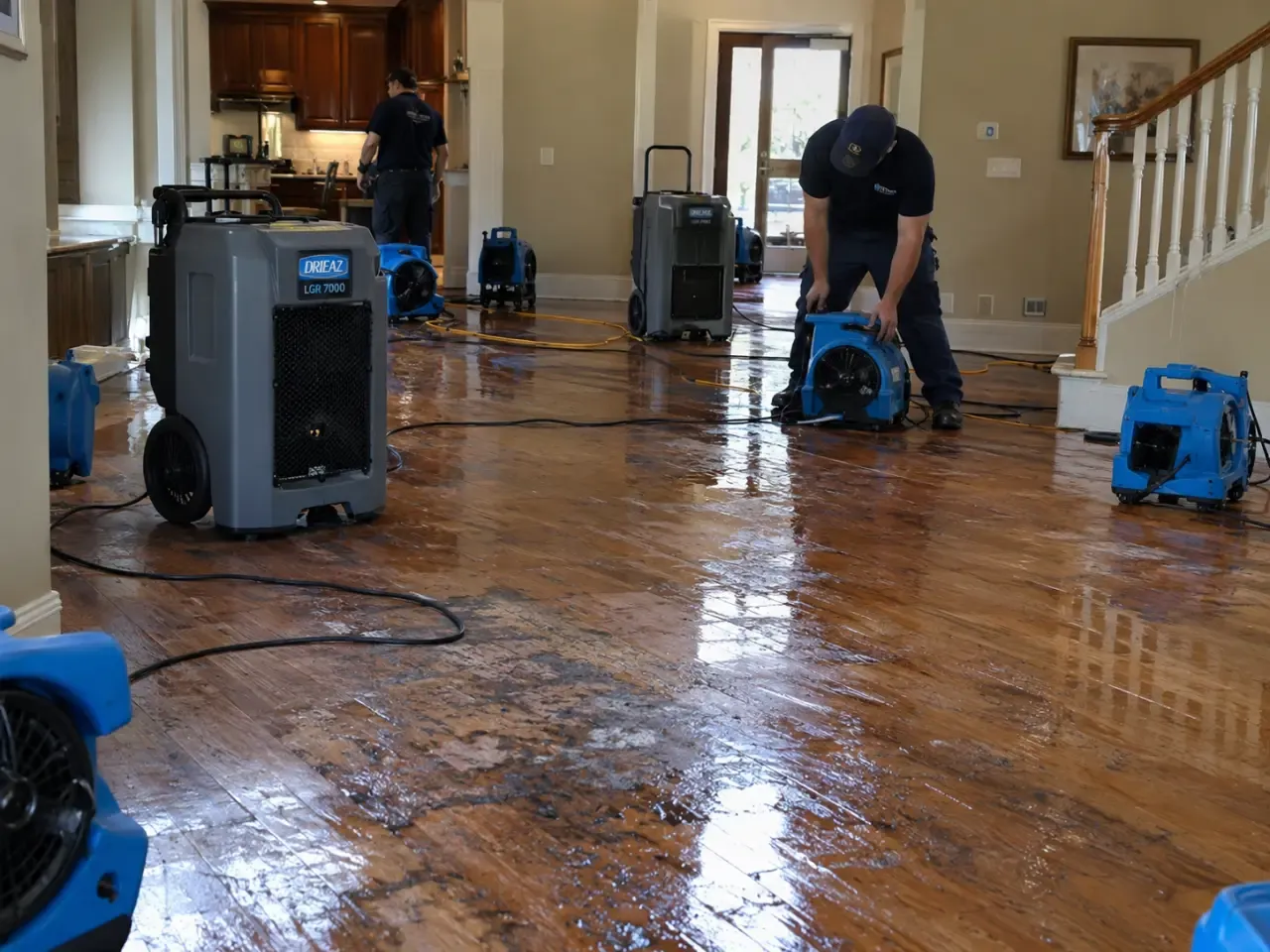
Water Damage Cleanup
Extraction is step one. Cleanup covers the removal of ruined carpet padding, wet drywall, and saturated insulation, plus disinfection of everything that stays. It is the difference between a dried basement and a clean one.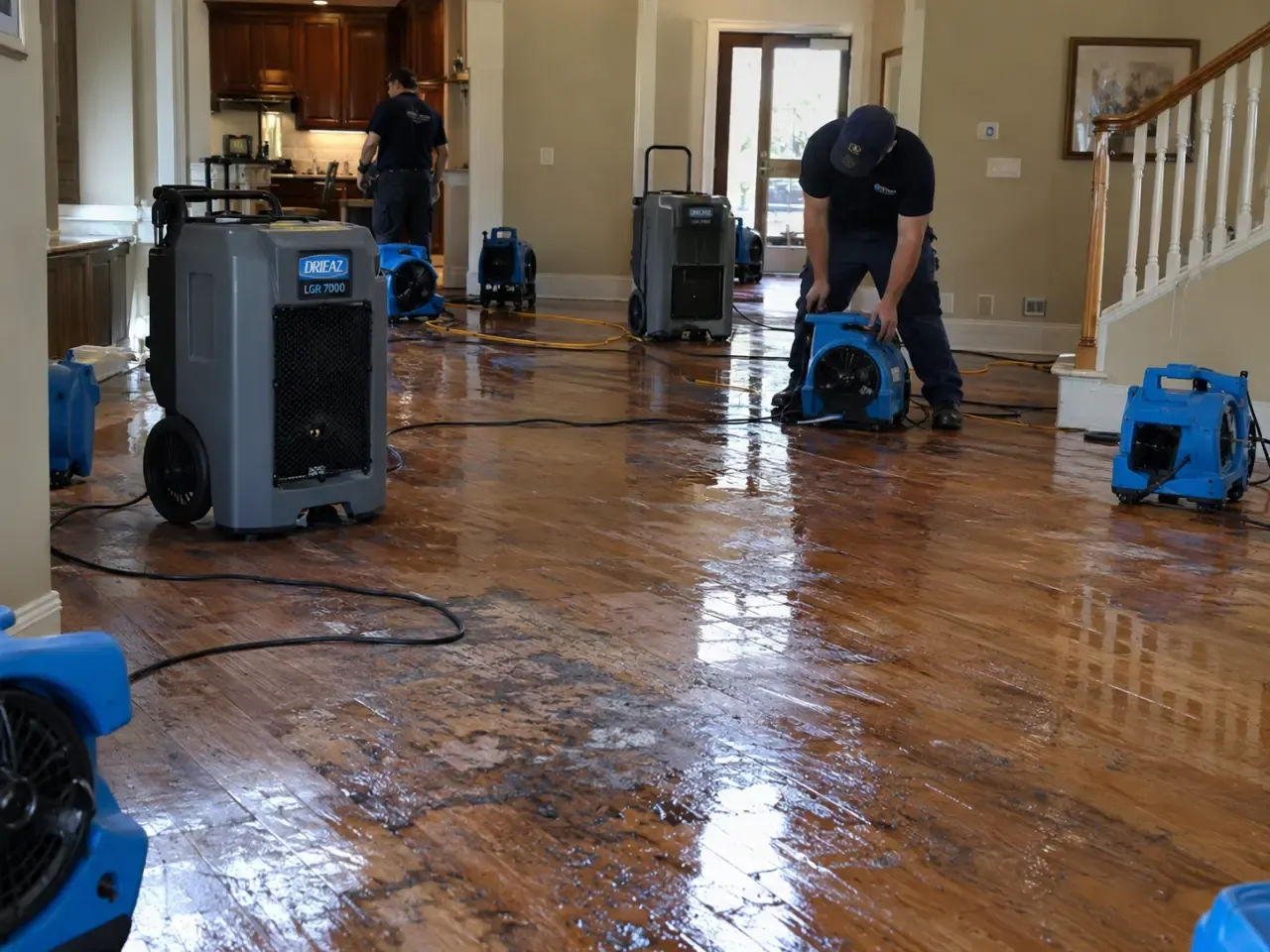
Flood Water Cleanup
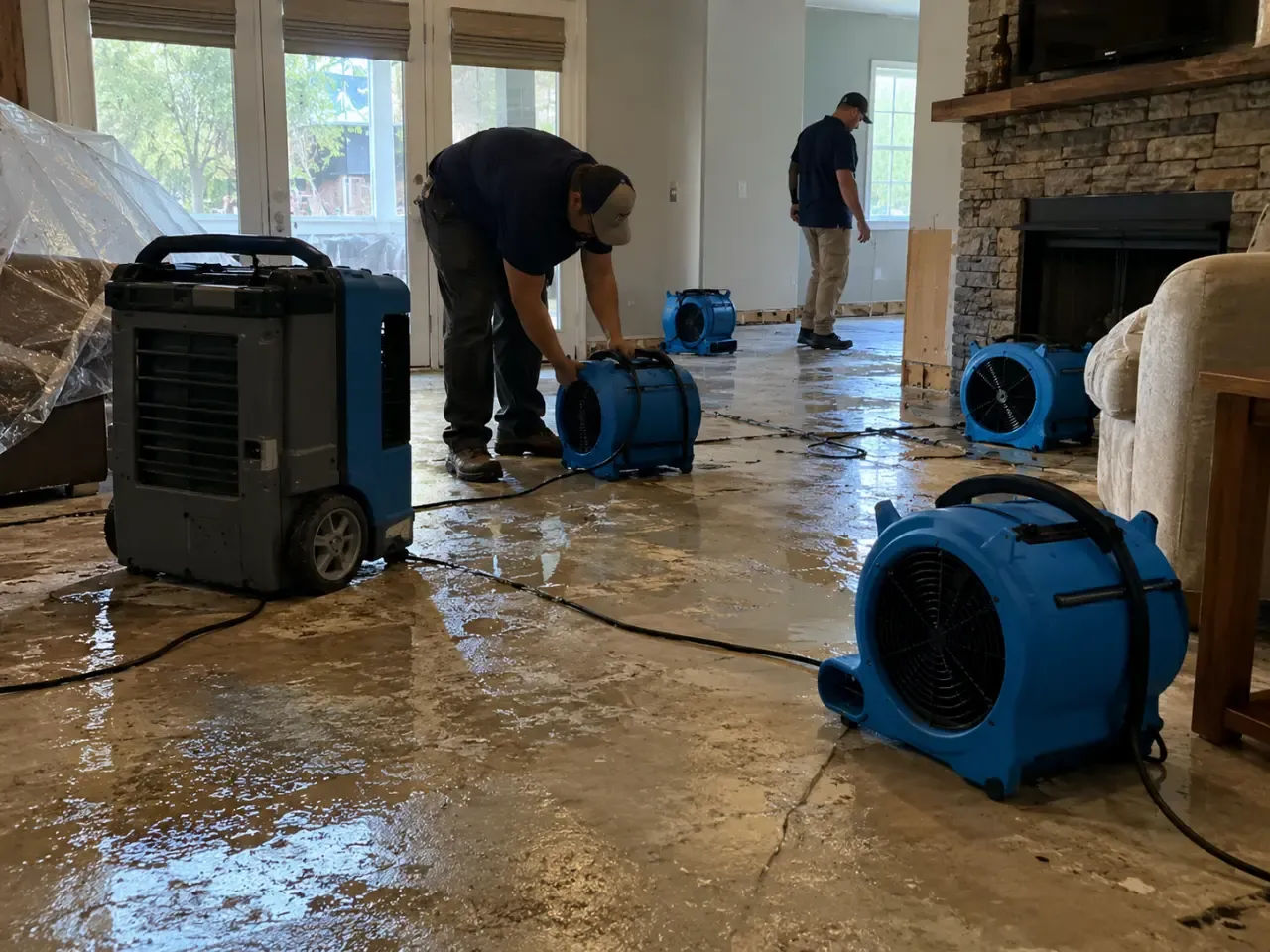
Storm and floodwater intrusion brings silt, bacteria, and whatever the water picked up on the way in. We treat it as contaminated water, remove what cannot be saved, and disinfect before drying begins.Ready when you are
Need Basement Water Removal Tampa FL Today?
Every hour water sits, more of your basement gets ruined. Call Tampa Water Force at (813) 588-6476 and we will dispatch a crew with extraction and drying equipment on board. Licensed, insured, and answering the phone 24/7 across Hillsborough County.
Talk with the local team
Request Basement Water Removal
We answer the phone 24 hours a day, seven days a week, including holidays. Tell us what happened and where you are, and we will dispatch the nearest crew with extraction and drying equipment on board. Most Tampa addresses see us within 60 to 90 minutes.