Licensed, insured mold removal and cleanup in Tampa, Florida
Mold Remediation Tampa FL That Gets Your Home Dry and Safe
Mold Remediation Tampa FL starts the moment we walk in: we find the moisture source, contain the growth, and remove it without spreading spores through your house. Whether you are in South Tampa or Carrollwood, our team handles mold removal and cleanup in Tampa for homeowners, landlords, and property managers. We have served Hillsborough County since 2021, and we answer the phone 24/7 when a leak turns into a mold problem.
Live dispatcherUpfront optionsBacked workmanship
What's included
What Our Mold Remediation Service Includes
Every mold job starts with an inspection and a written scope, and the price we quote covers the work described in that scope. Here is what is typically included, and where additional work may come into play if the damage is deeper than the inspection shows.
Moisture Inspection and Mapping
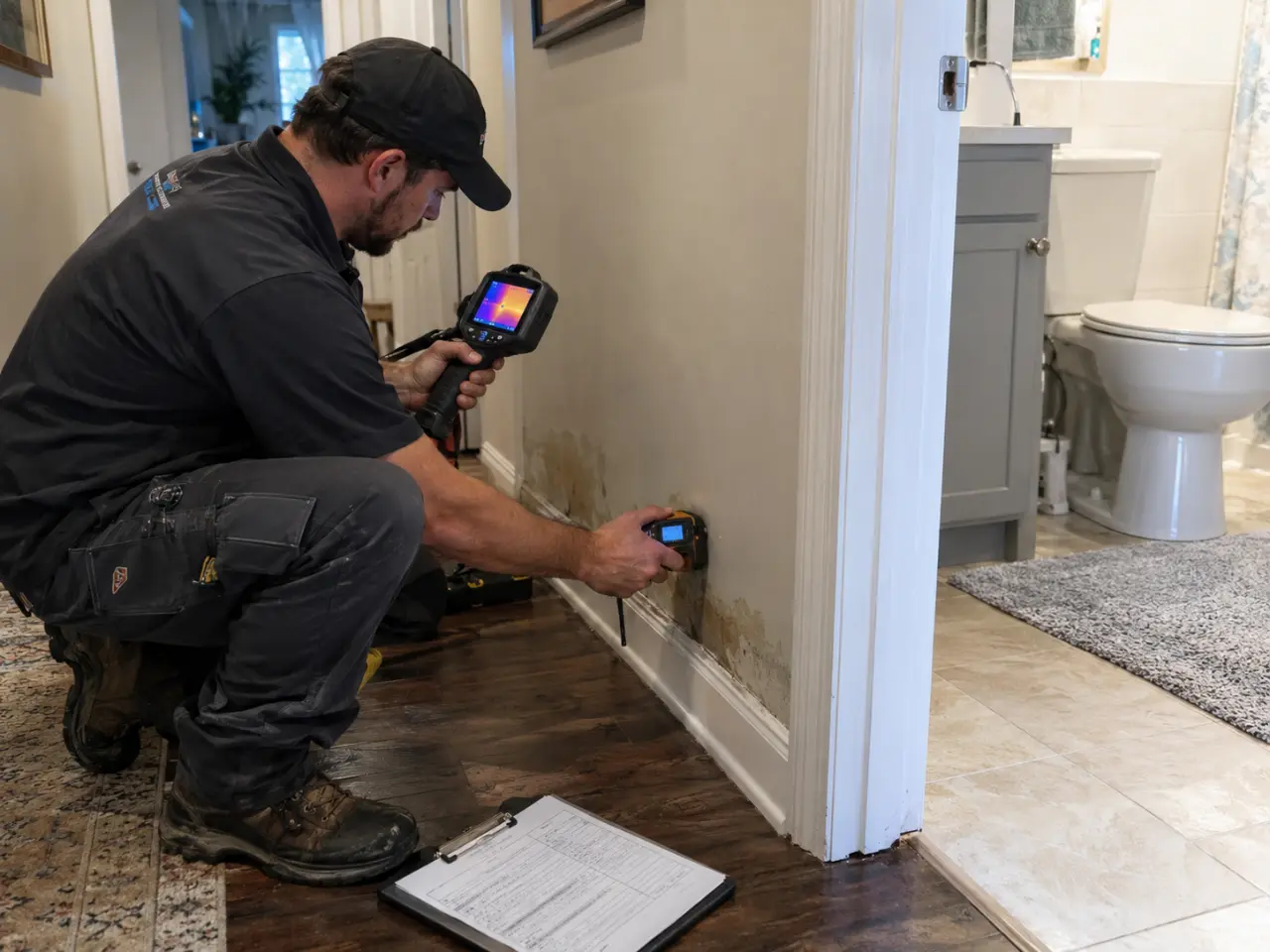
A full walkthrough with a Protimeter moisture meter and thermal imaging camera to locate wet materials, hidden damp pockets, and the water source. You get the findings explained and a written scope before any work begins.
Containment and HEPA Filtration
Polyethylene containment sheeting, a negative air machine, and HEPA air scrubbers to keep spores out of clean areas of your home. Equipment stays in place until removal and drying are finished.
Mold Removal and Disposal
Removal of contaminated drywall, insulation, carpet padding, and other porous materials, bagged inside the containment and hauled away. Framing and hard surfaces get HEPA-vacuumed and treated with antimicrobial disinfectant.
Structural Drying and Monitoring
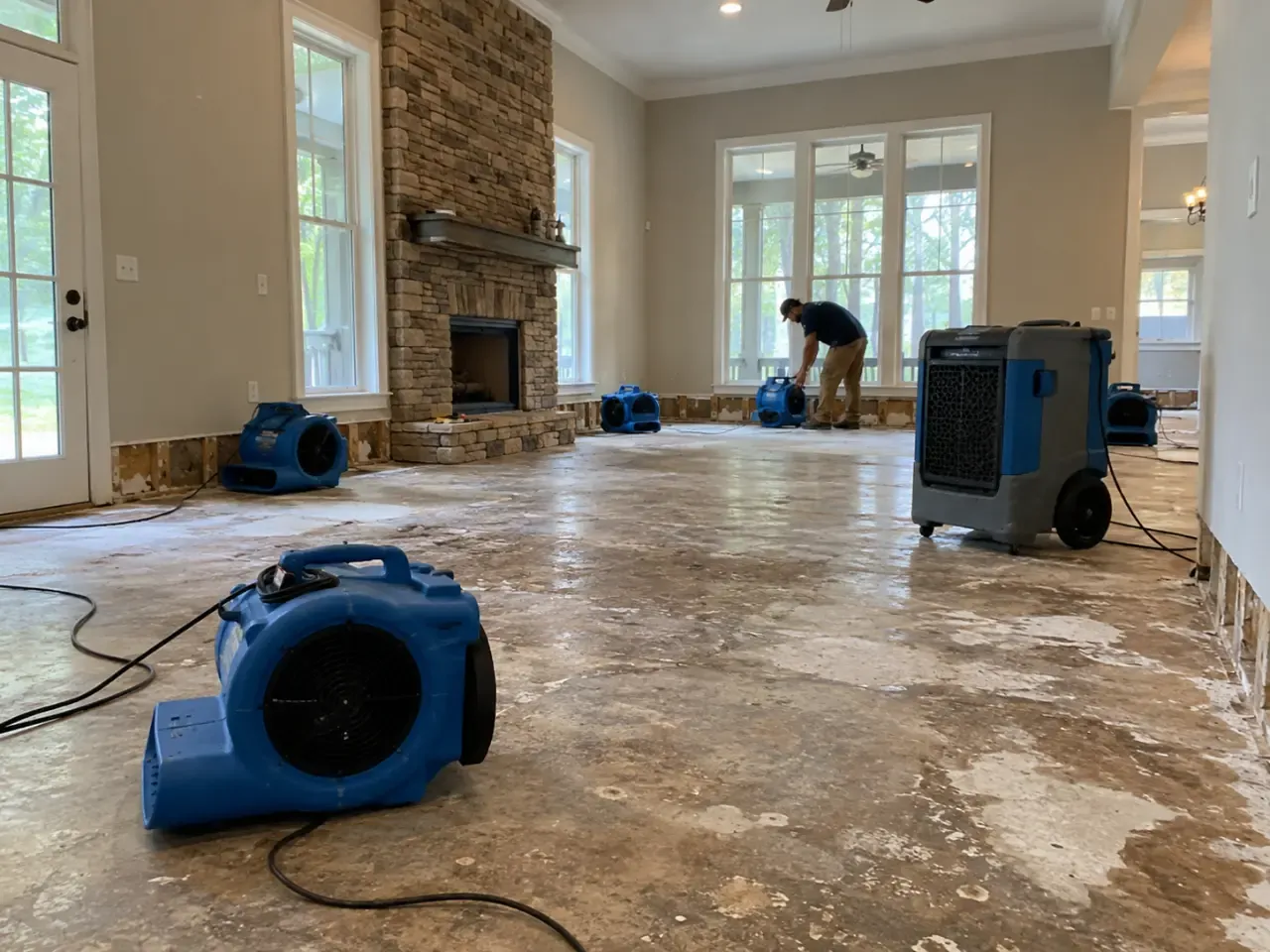
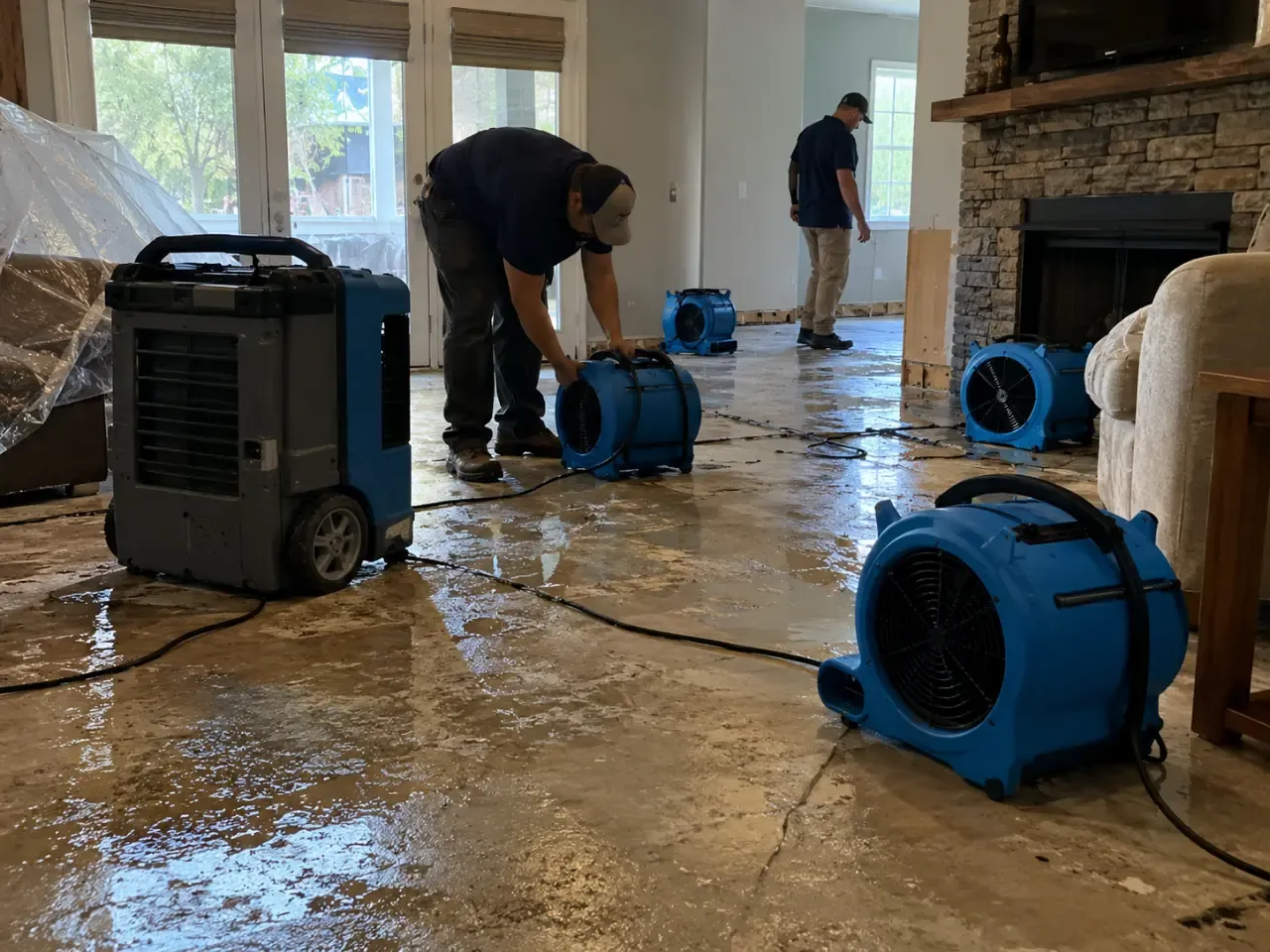
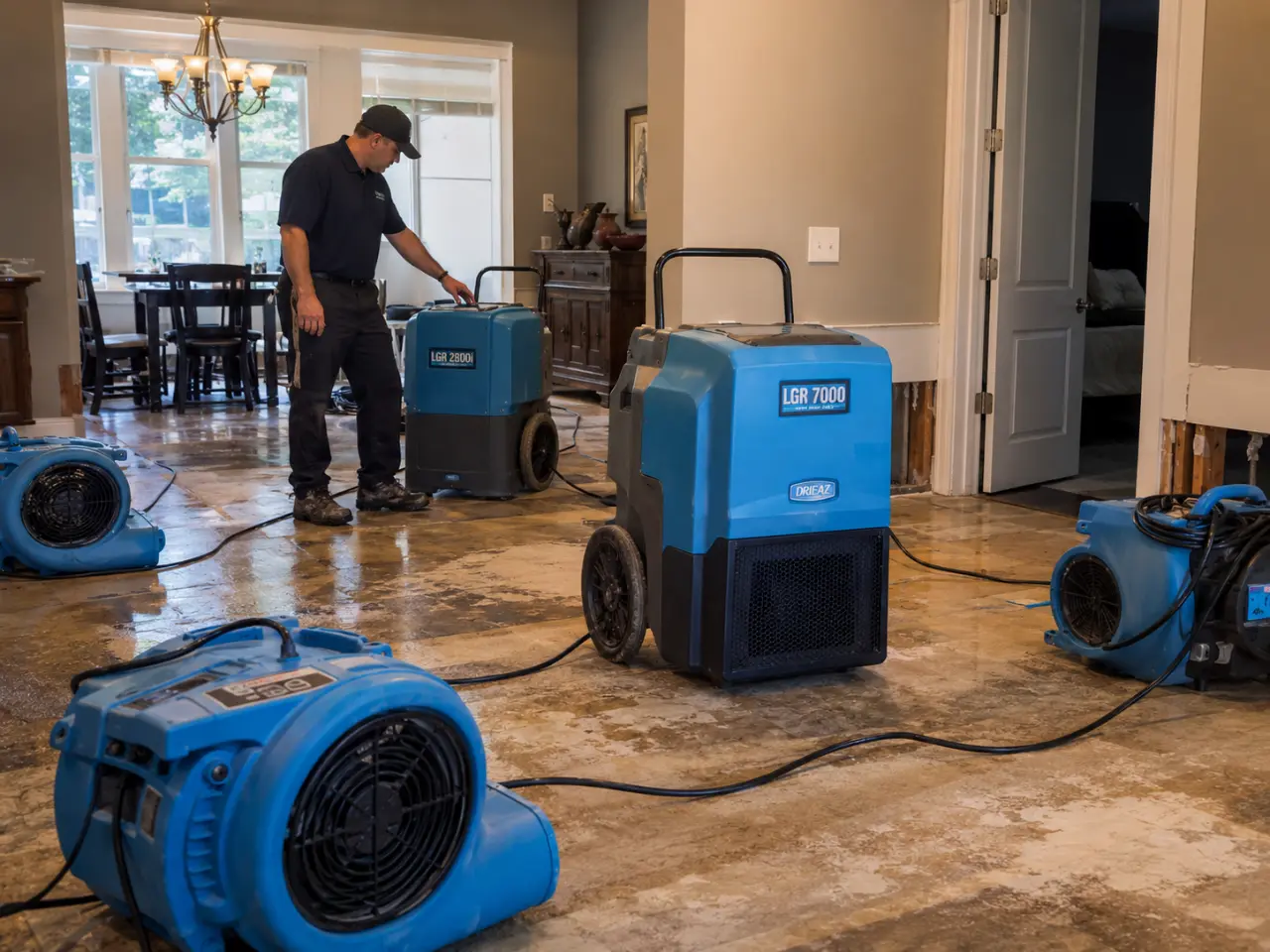
Refrigerant dehumidifiers and air movers positioned to dry framing, subfloor, and wall cavities, with daily moisture readings logged until the structure reaches dry standard.
Final Documentation
A closing walkthrough with before-and-after moisture readings, photos, and a summary of what was removed. Useful for insurance claims, resale disclosures, or your own records.
Service overview
What Mold Remediation Tampa FL Actually Involves
Mold Remediation Tampa FL is the process of containing mold growth, removing contaminated materials, and drying the structure so spores cannot rebound. It is not a wipe-down with bleach. We seal the work area with polyethylene containment sheeting, run a negative air machine with HEPA filtration, and pull moisture readings from drywall, subfloor materials, and carpet padding before anything gets torn out. Every job follows the ANSI/IICRC S500 Standard for Professional Water Damage Restoration, so the drying targets are documented, not guessed.
Tampa homes grow mold fast because the air stays warm and humid most of the year. A burst pipe water damage event, a roof leak water intrusion, or an appliance supply line leak can leave wet drywall and saturated insulation behind a cabinet for weeks before you smell it. If you are searching for mold remediation near me in Tampa, the smart move is to call before the musty odor spreads. We handle residential mold removal service in Tampa, Florida for single-family homes, condos, and small commercial spaces.
How we workWe verify the cause, compare realistic options, and confirm the repair before we leave.
The service timeline
Our Mold Remediation Process, Step by Step
The process flexes to the condition, but these checkpoints keep decisions clear.
Inspection and Mapping
A technician walks the property with a Protimeter moisture meter and a thermal imaging camera to find every wet pocket, including behind baseboards and under subfloor materials. We check humidity levels room by room and identify the water source. This visit usually takes 45 to 90 minutes, and you get findings explained in plain language before we quote anything.
Containment and Air Control
We seal the work zone with polyethylene containment sheeting and set up a negative air machine paired with HEPA air scrubbers. This keeps spores from drifting into clean rooms while we work. On multi-room jobs we stage the containment so you can still reach your kitchen, bathrooms, and bedrooms during the project.
Removal and Disinfection
Contaminated drywall, insulation, and carpet padding come out and get bagged inside the containment. Structural framing gets HEPA-vacuumed, then treated with an antimicrobial disinfectant applied to EPA mold and antimicrobial product label requirements. Crews wear PPE respirators and protective suits for the entire removal phase.
Structural Drying
We place refrigerant dehumidifiers and air movers to dry the exposed framing, subfloor, and wall cavities. Moisture readings are logged daily, and equipment runs until the structure hits dry standard. A typical Tampa bathroom or laundry room dries in three to four days; a flooded first floor can take six to eight.
Clearance and Rebuild Guidance
We do a final visual inspection and moisture check, then walk you through what was removed and what needs replacing. If you need moisture-resistant drywall or closed-cell foam insulation installed, we can coordinate that or hand your contractor a clean, dry structure. You get documentation of the readings for your records or insurance claim.
Tools & methods
Tools and Methods We Use on Every Job
Purpose-built equipment, used by trained technicians, so the job is done accurately the first time.
Thermal Imaging Camera
Finds temperature differences behind walls and under floors that point to hidden moisture, even when the surface feels dry to the touch.
Protimeter Moisture Meter
Takes calibrated readings in drywall, framing, and subfloor materials so we know exactly how wet the structure is and when it is dry.
HEPA Air Scrubber
Filters airborne spores and fine debris inside the containment zone, keeping the rest of your home's air clean during removal.
Negative Air Machine
Maintains negative pressure inside the containment so air flows in, not out, preventing cross-contamination into clean rooms.
Dri-Eaz and Phoenix Dehumidifiers
Refrigerant and desiccant units that pull moisture out of the air and structural materials until the space reaches dry standard.
Truck-Mounted Water Extraction Unit
Removes large volumes of standing water fast after a burst pipe or appliance failure, before mold has a chance to start.
Submersible Pump
Clears standing water from crawl spaces, basements, and low spots where extraction units cannot reach.
Use cases
When Tampa Homeowners Call Us for Mold Help
These examples show how the service framework adapts rather than forcing every call through one repair.
Attic Mold After Summer Roof Leak
A roof leak during a July storm soaked insulation above a Carrollwood bedroom ceiling. By the time the homeowner noticed the ceiling stain, mold had spread across roughly 40 square feet of the attic decking and ceiling framing. → We removed the saturated insulation, HEPA-vacuumed and treated the framing, and ran dehumidifiers for six days. Final moisture readings on the framing came in under 12 percent. The roofer repaired the leak, and new insulation went in.
Crawl Space Mold From Standing Water
Standing water sat in a Seminole Heights crawl space for several weeks after heavy rain. Floor joists and subfloor materials were damp, and mold had spread across the joists and the underside of the subfloor. → We pumped out the standing water with a submersible pump, removed the contaminated material, treated the joists, and dried the space for seven days. Final readings on the joists came in at 13 percent, and the homeowner added a vapor barrier and a drainage fix.
Problems we solve
Tampa Mold Problems We Solve Every Week
Mold shows up in predictable places when Tampa homes stay wet too long. These are the calls we get most often, and what happens when they are ignored.
Musty smell that keeps coming back after cleaning
We trace the odor to its source with thermal imaging, open the affected cavity, remove contaminated materials, and dry the structure to standard. The smell goes away because the moisture does, not because we masked it.
Mold behind baseboards after a slow supply line leak
We pull the baseboard, inspect the wall cavity, and remove any drywall or insulation that shows growth. Framing gets treated, and we dry the subfloor before anything is closed back up.
Recurring mold in a bathroom with no exhaust fan
We remediate the existing growth, then tell you exactly what ventilation and humidity targets will keep it from coming back. A properly sized exhaust fan and a target indoor humidity under 55 percent solves most of these cases.
Mold in a crawl space with standing water
We pump out the standing water, remove contaminated material, treat the framing, and dry the space with dehumidifiers. We also identify the drainage or vapor barrier fix that keeps it dry.
Pricing process
What Mold Remediation Costs in Tampa
$1,200 - $8,000+ depending on scope and materials affected
Square footage affected
A 20-square-foot bathroom closet is a different job than a 400-square-foot finished basement. Material removal, containment size, and equipment count all scale with the affected area.
Materials that must be removed
Porous materials like carpet padding, wet drywall, and saturated insulation cannot be cleaned and must come out. Jobs with more porous material removal cost more than jobs limited to hard surfaces.
Drying time required
Tampa humidity stretches drying timelines. A job that dries in three days costs less in equipment time than one that needs seven, and we do not pull equipment early to save a day.
Questions before we arrive
Frequently Asked Questions About Mold Remediation in Tampa
How much does mold remediation cost in Tampa?
Most single-room jobs in Tampa run $1,200 to $3,500 in 2026, and whole-floor or crawl space projects can reach $8,000 or more. The biggest cost drivers are the square footage affected, whether drywall or insulation has to come out, and how long drying takes. We give you a flat written price after the inspection, so you know the number before demolition starts.
Who offers mold removal near me in Tampa, Florida?
Tampa Water Force provides professional mold removal in Tampa, Florida and across Hillsborough County, including South Tampa, Carrollwood, and New Tampa. We have been in business since 2021 and hold IICRC AMRT certification for microbial remediation. Call (813) 588-6476 and we will schedule a same-day consultation when our route allows.
When is professional mold remediation necessary after water damage?
You need professional remediation when mold covers more than about 10 square feet, when the water came from a sewage backup or floodwater, or when the musty smell persists after surfaces are dry. Porous materials like carpet padding and wet drywall usually cannot be saved once growth sets in. If you are unsure, a moisture inspection settles it in under an hour.
How long does mold cleanup take in Tampa?
A single bathroom or closet typically takes one to two days for removal and three to four days of drying. A flooded first floor or attic can take five to eight days total. Tampa humidity slows drying compared with drier climates, so we run dehumidifiers longer and verify with daily moisture readings before pulling equipment.
Related services
Related Services We Provide
Emergency Water Extraction
Standing water feeds mold within a day. We pull it with truck-mounted and portable extraction units, then start drying so mold never gets a foothold in your Tampa home.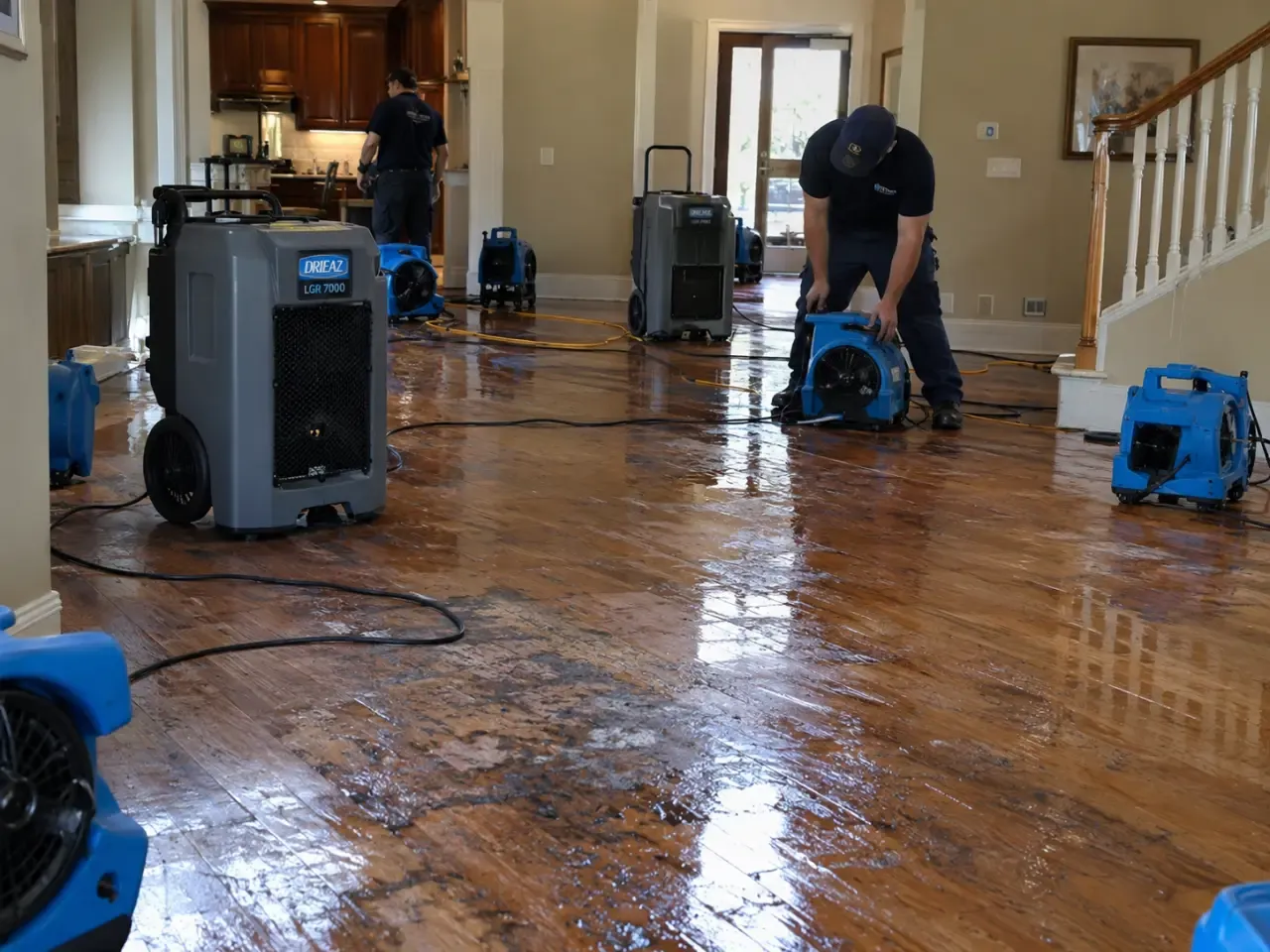
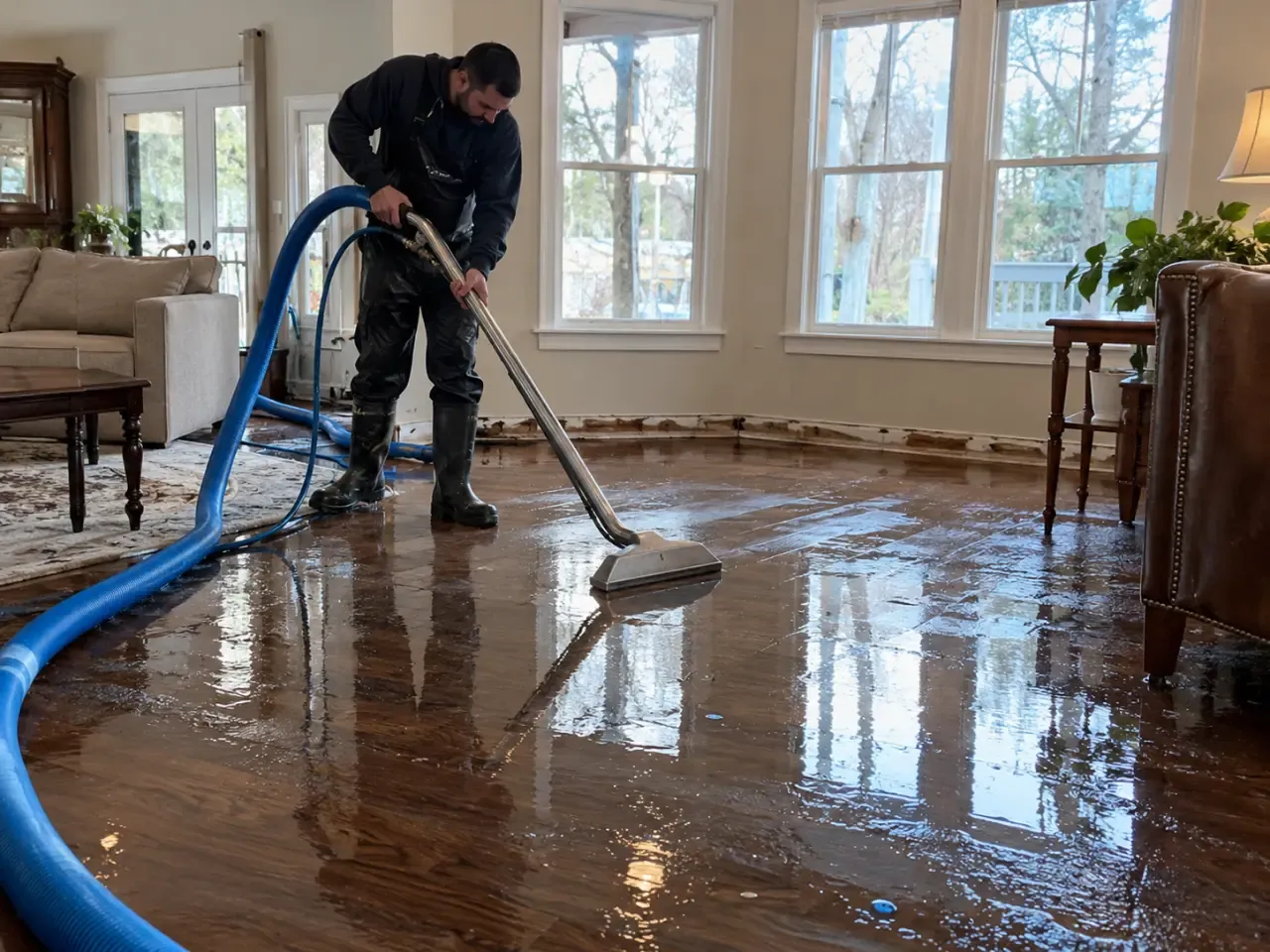
Water Damage Cleanup
Full water damage cleanup in Tampa includes removal of wet materials, disinfection, and structural drying. It is the front half of mold prevention, and we handle both under one scope.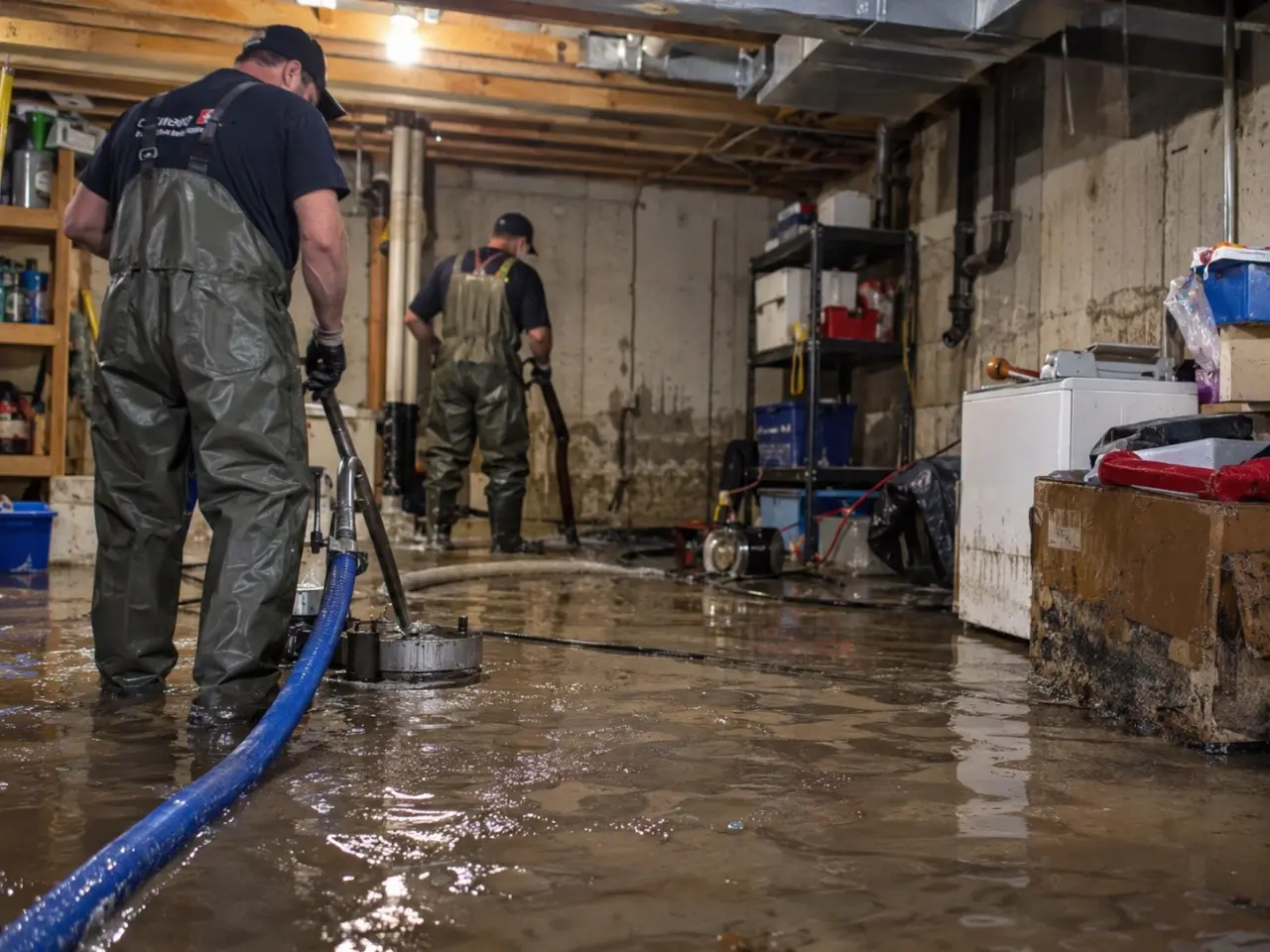
Basement Water Removal
Tampa-area homes with below-grade space often trap moisture in block walls and subfloor materials. We pump it out, dry it, and check for the hidden damp pockets that grow mold.Ready when you are
Get Mold Remediation Tampa FL Started Today
Every day you wait, mold spreads further into drywall and framing. Call Tampa Water Force at (813) 588-6476 for a same-day inspection and a flat written price. Licensed, insured, and answering 24/7 across Hillsborough County.
Talk with the local team
Request Mold Remediation
We answer the phone 24 hours a day, seven days a week, including holidays. Tell us what happened and where you are, and we will dispatch the nearest crew with extraction and drying equipment on board. Most Tampa addresses see us within 60 to 90 minutes.